Day three.
I had arrived in Antarctica the previous night, mentally anyway. I had stood on the outer deck, alone, just staring in wonder. I captured video, and took pictures, trying to absorb the experience in every way imaginable, knowing full well that I would have to leave in a few days.
I found myself in exactly the same spot as day three began, standing on the front deck, alone, captivated by this moody landscape unfolding in front of me at a speed of less than 10 knots (11 mph/17 kph). No better way than in slow motion.
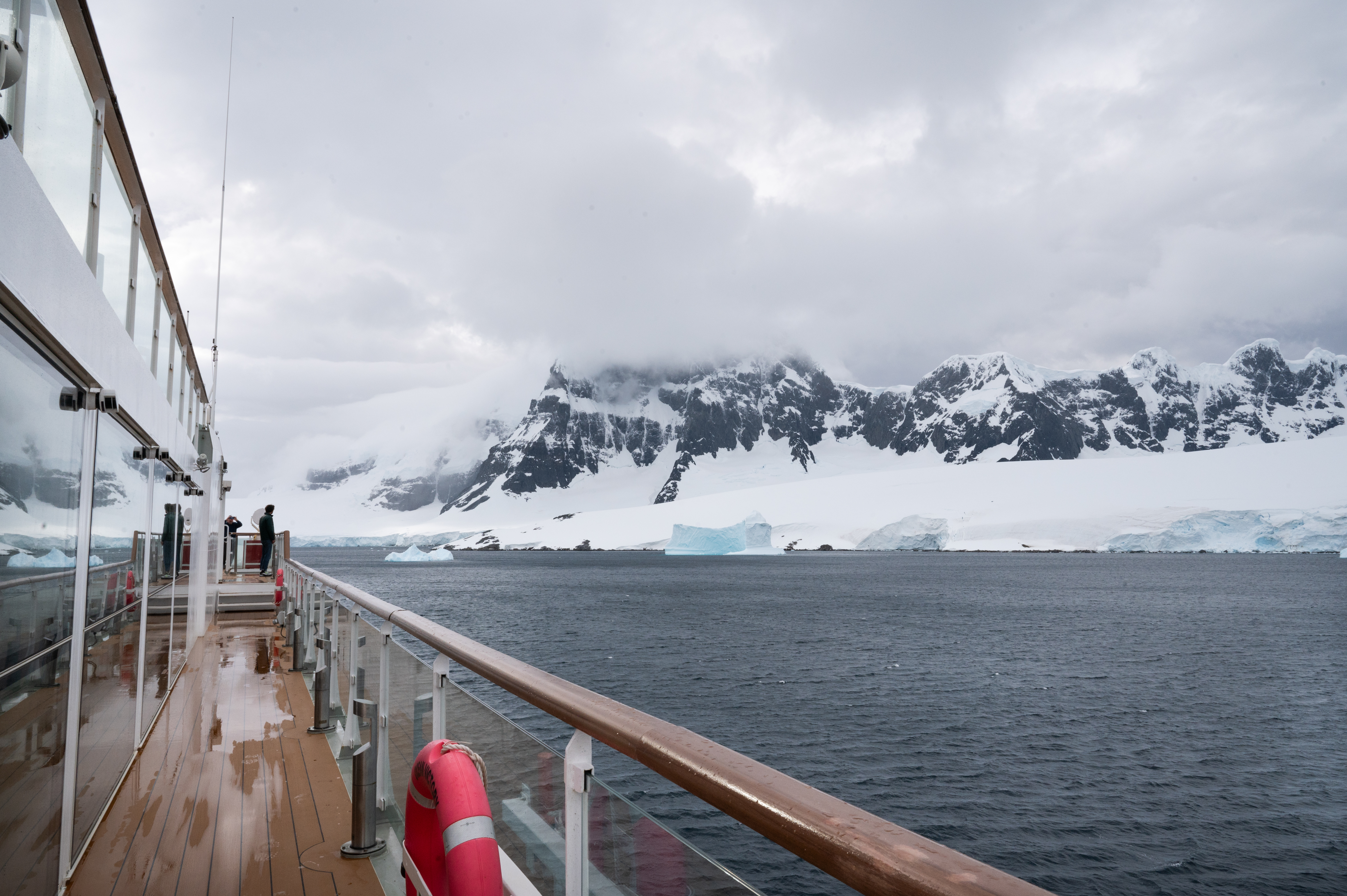
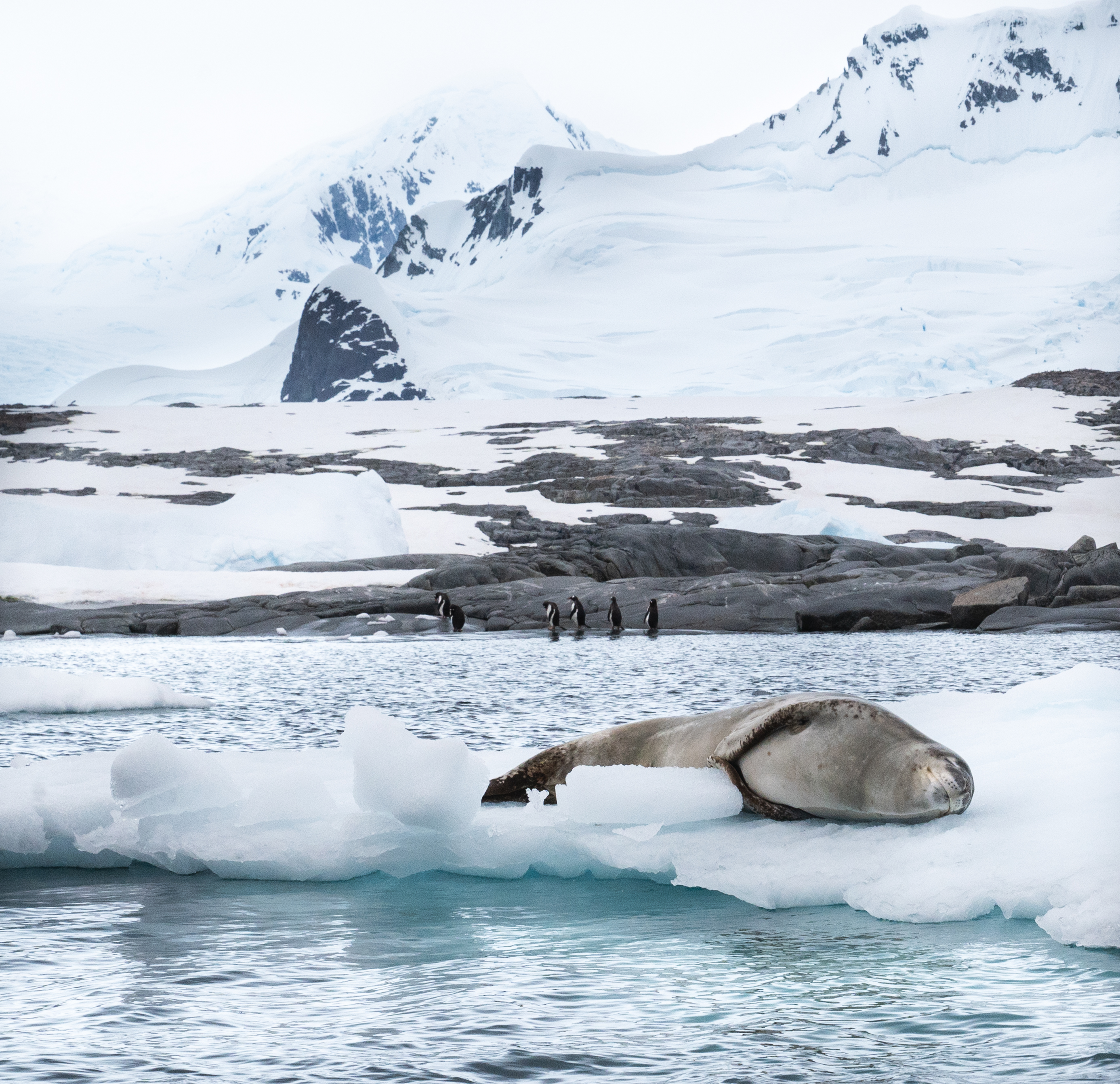
The unmistakable sound of the anchor dropping signaled we had arrived at Port Lockroy, the British research station, and home to a large penguin colony. This time we would observe them only from afar. It was time to kayak. Weeell, maybe.
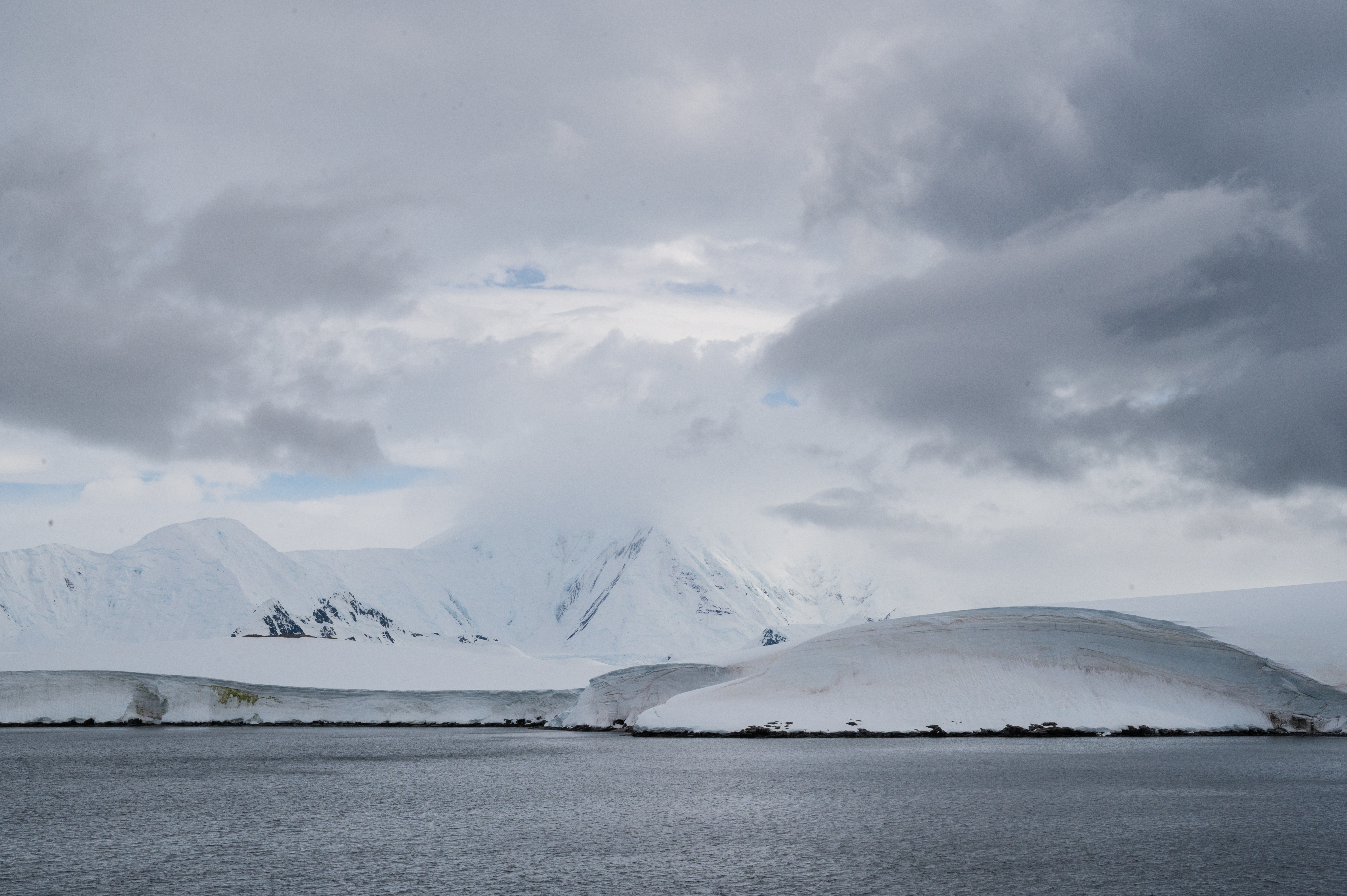
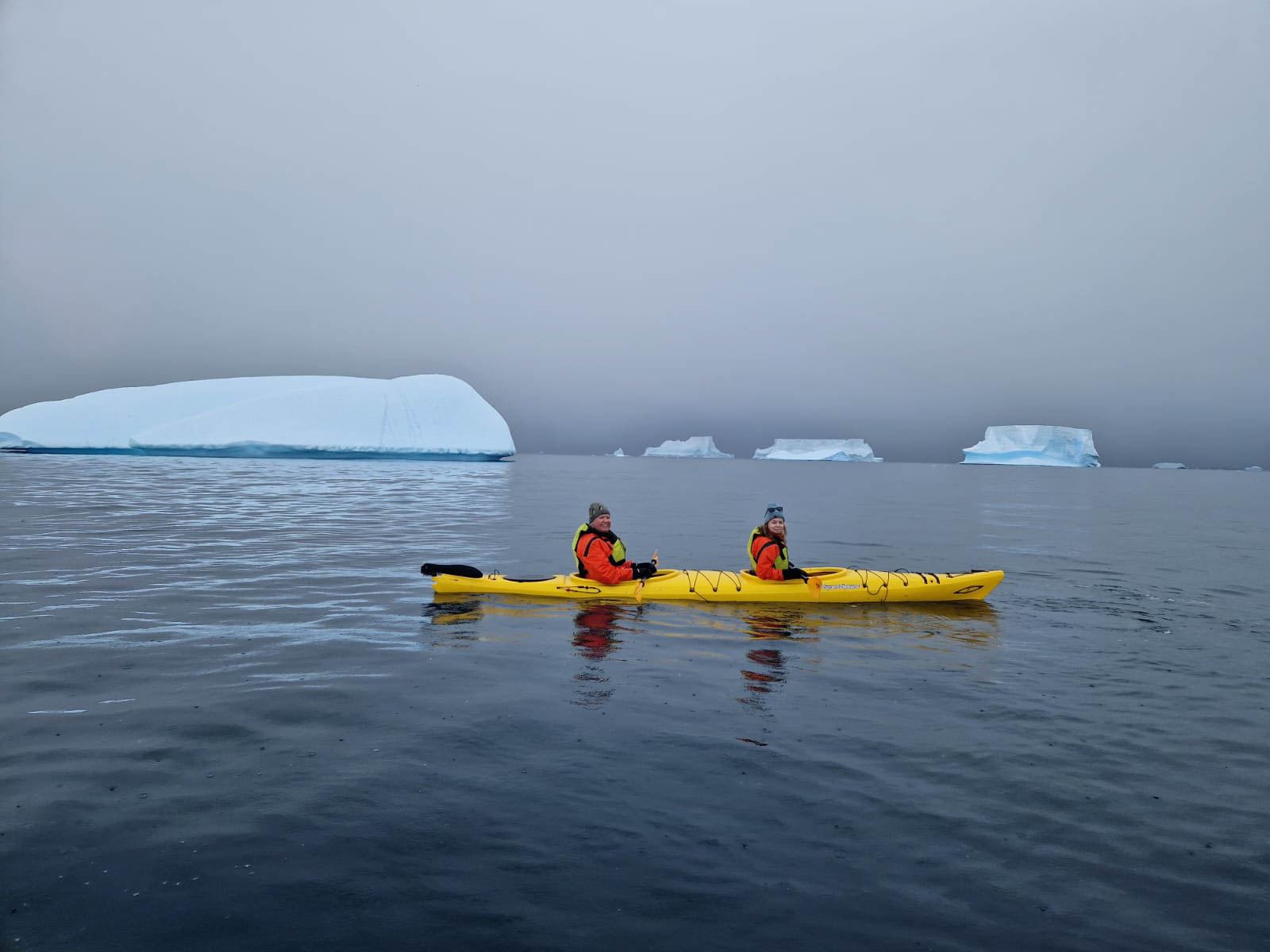
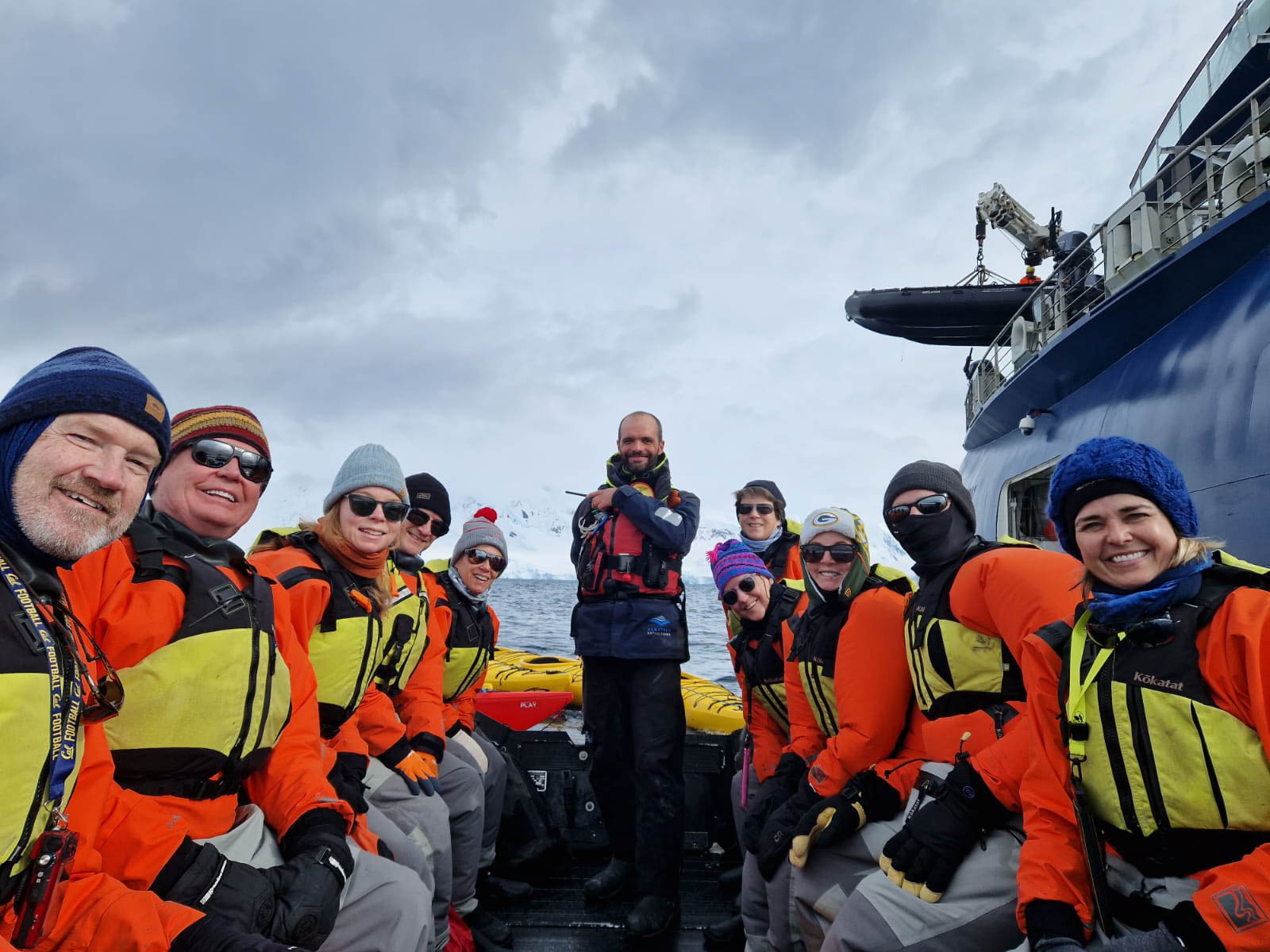
My group was called to the mud room to squeeze into our dry suits and tight boots. We loaded into the zodiac with our kayaks in tow, eager to drop into them a bit closer to shore and a bit farther from the ship. But Mother Nature had other plans. The wind picked up and what were small swells grew and grew. Our two guides eyed each other, non-verbally communicating doubt about the wisdom of our plan. And then they communicated it verbally. Canceled. But hopefully, we will have another opportunity.
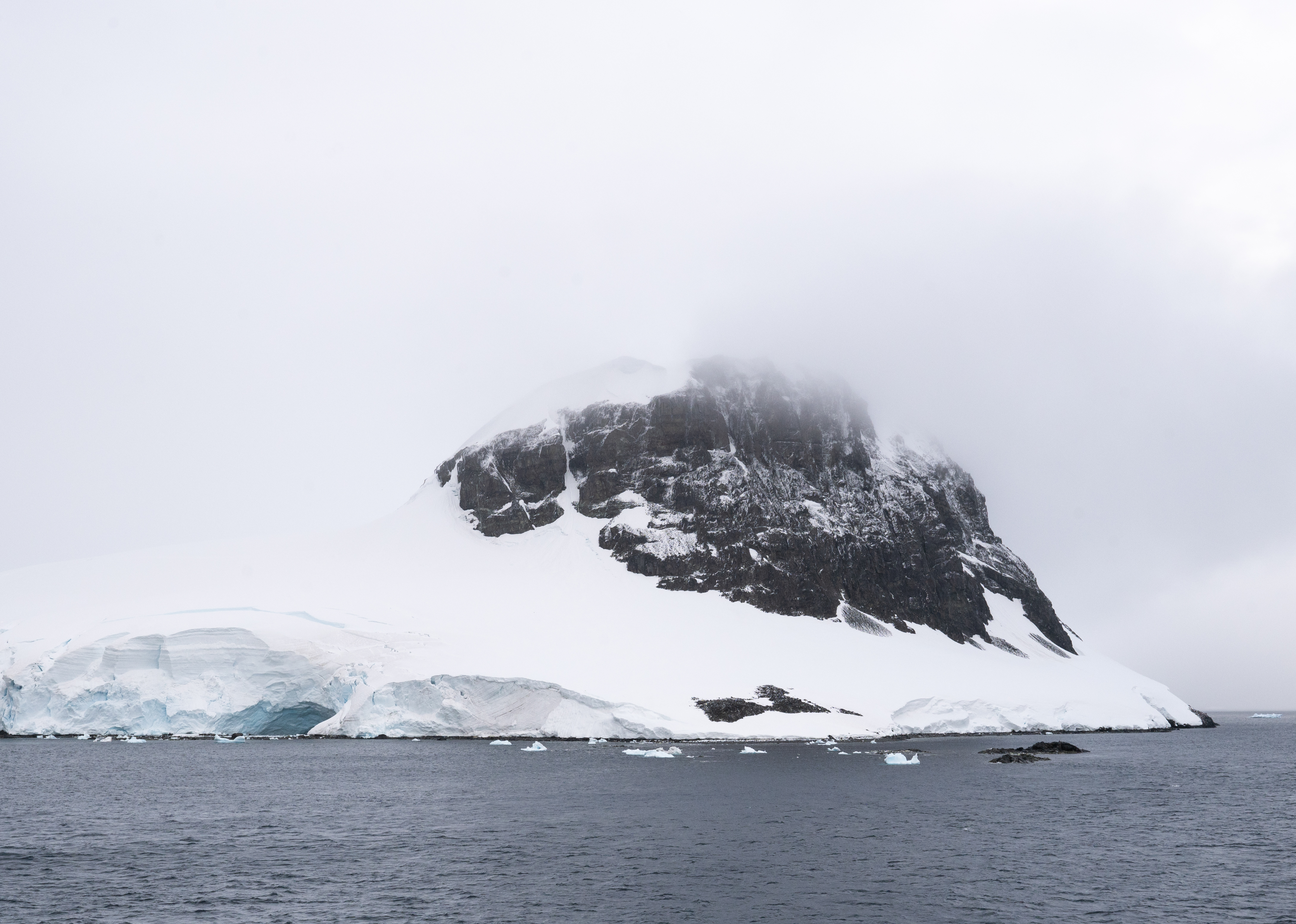
It must be understood, there are no promises in Antarctica. You take what you get when you get it and don’t set expectations. Best not to get your hopes up because she does what she wants, sometimes without warning.
Instead, we dropped our trailing kayaks at the ship and explored the area via zodiac, still dressed in our dry suits although now with parkas wrapped around us as well. It was cold and seemingly getting colder! The rain/snow/sleet moisture-combo was spitting in our faces and the waves were spraying us with zero-degree, salty water.
Time to move on.
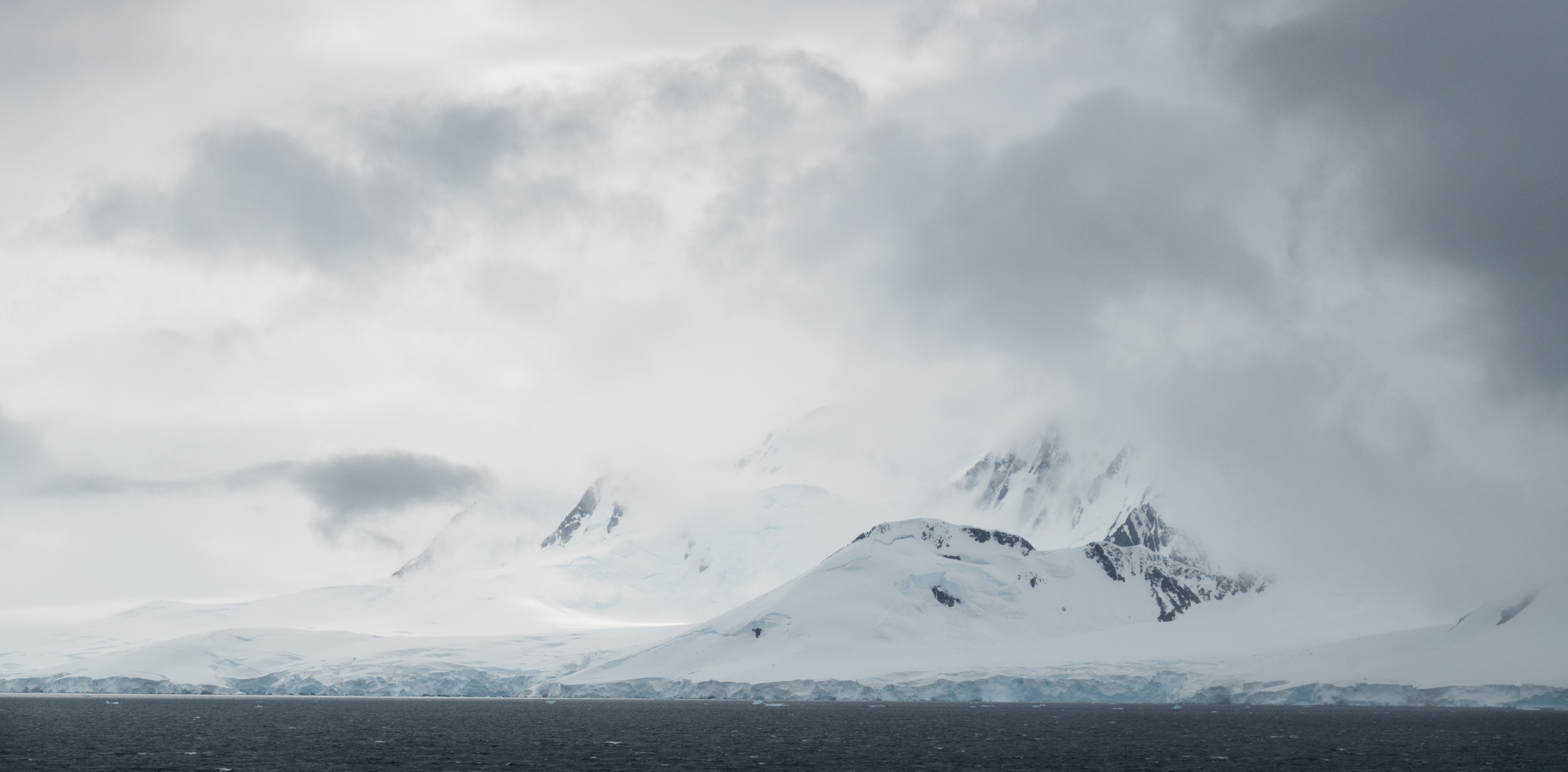
As we made our way to a location that was, hopefully, more protected from the weather that had moved in, I enjoyed the Antarctica-style light show moving across the landscape. Unbelievable.
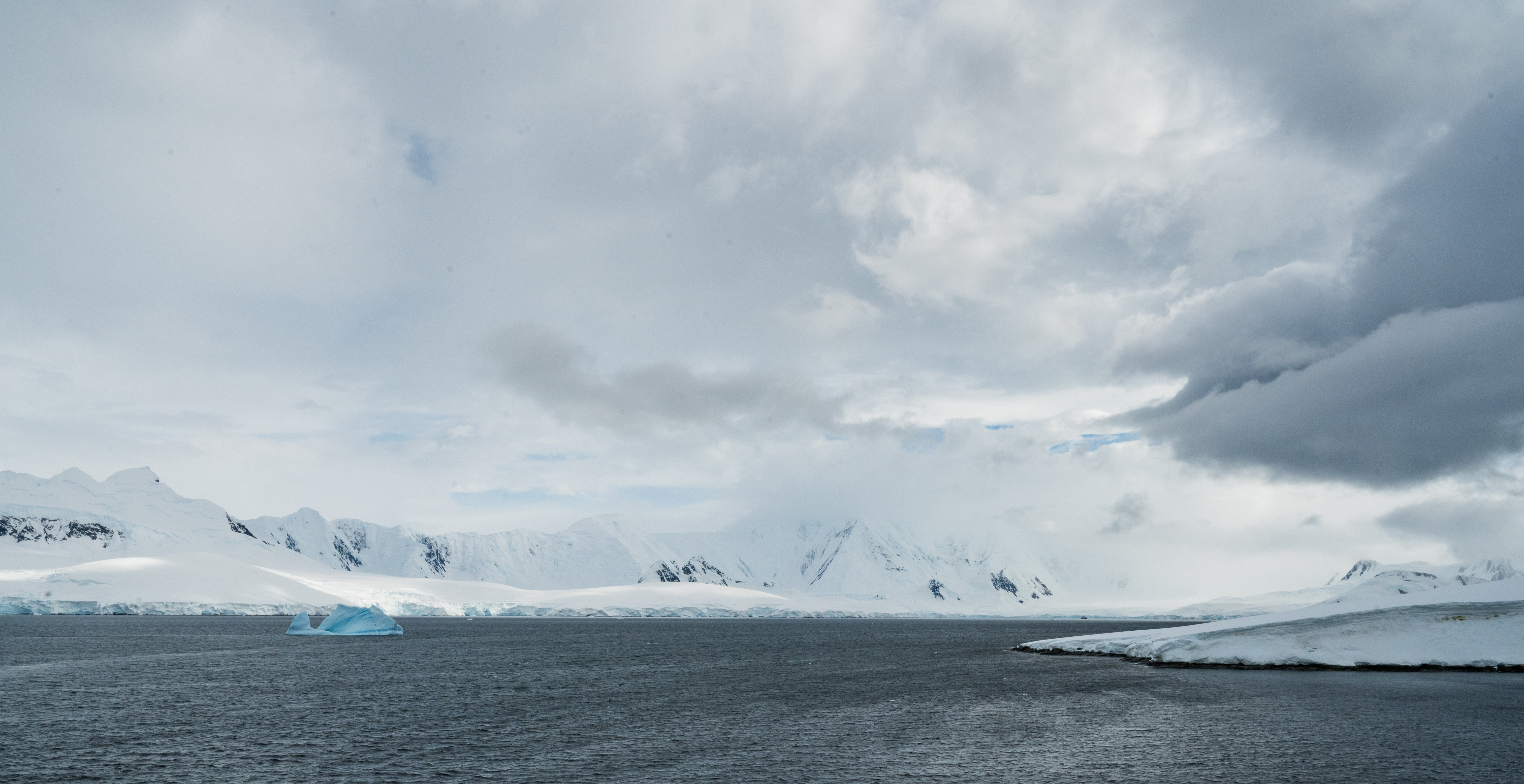
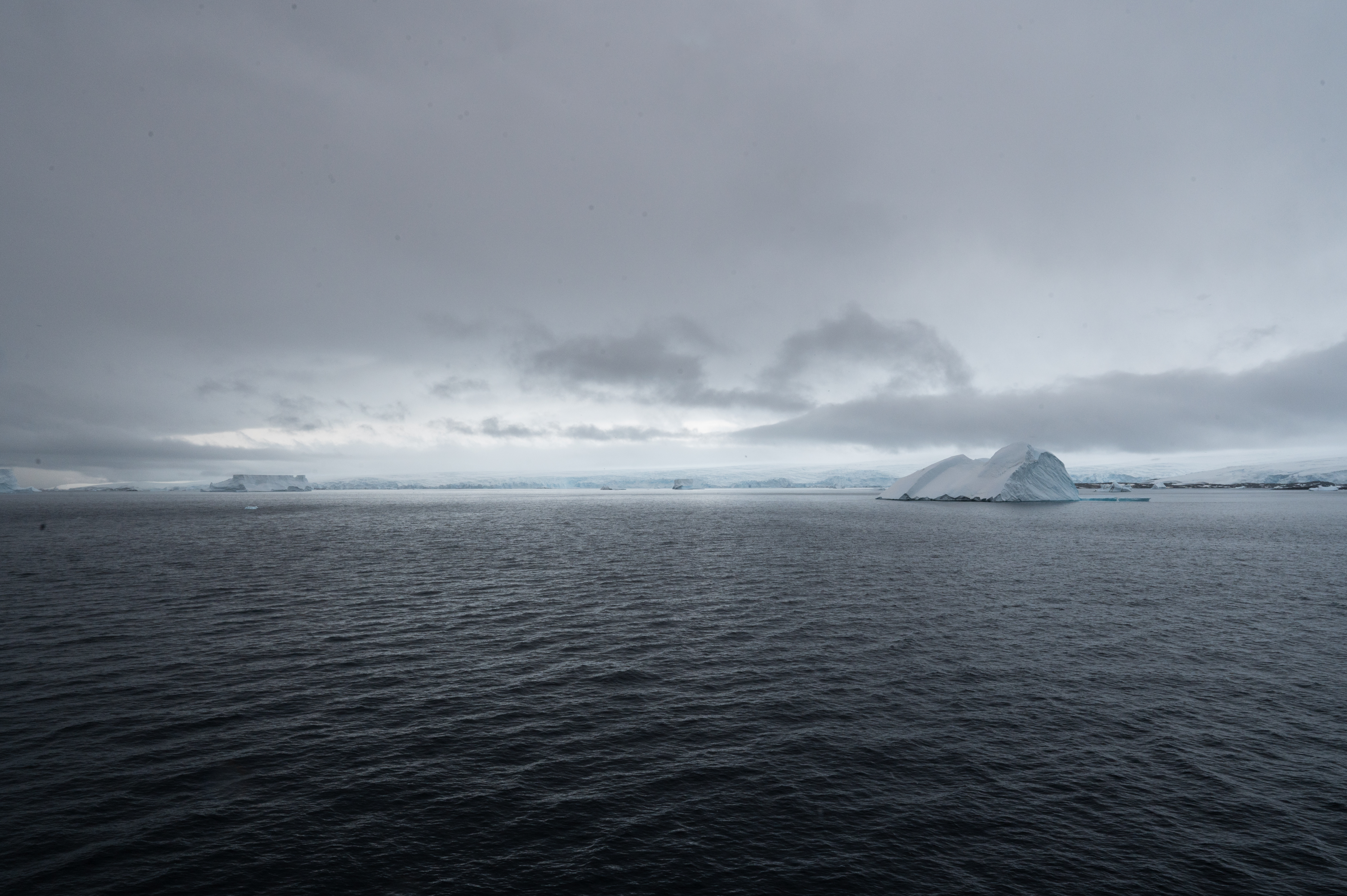
We made our way to Biscoe Point, an area that not even our guides were familiar with. Fortunately, we had a captain with a wealth of experience because this area had not been mapped in the digital system. Not a problem for Oleg, paper maps did the trick.
And we were in luck! It was time to kayak.
At our pre-dinner daily briefing, Phil filled us in on some news that I had been hearing mutterings about for a few days- a huge storm brewing in the Drake Passage. After much consideration of how to approach this, it had been decided that we needed to get ahead of the worst of it. To accomplish that we would start making our way back to Ushuaia a half day earlier than planned. We would miss our afternoon event the next day. Remember what I said about making plans, and getting your hopes up? We were on nature’s terms. It was simple. There was nothing to debate.
In another valiant effort of the Albatros Expedition Team’s quest to ‘make up for lost time,’ we had a special after-dinner event added to the schedule. With full bellies and the sun low in the sky, we would be exploring the Iceberg Graveyard by zodiac.
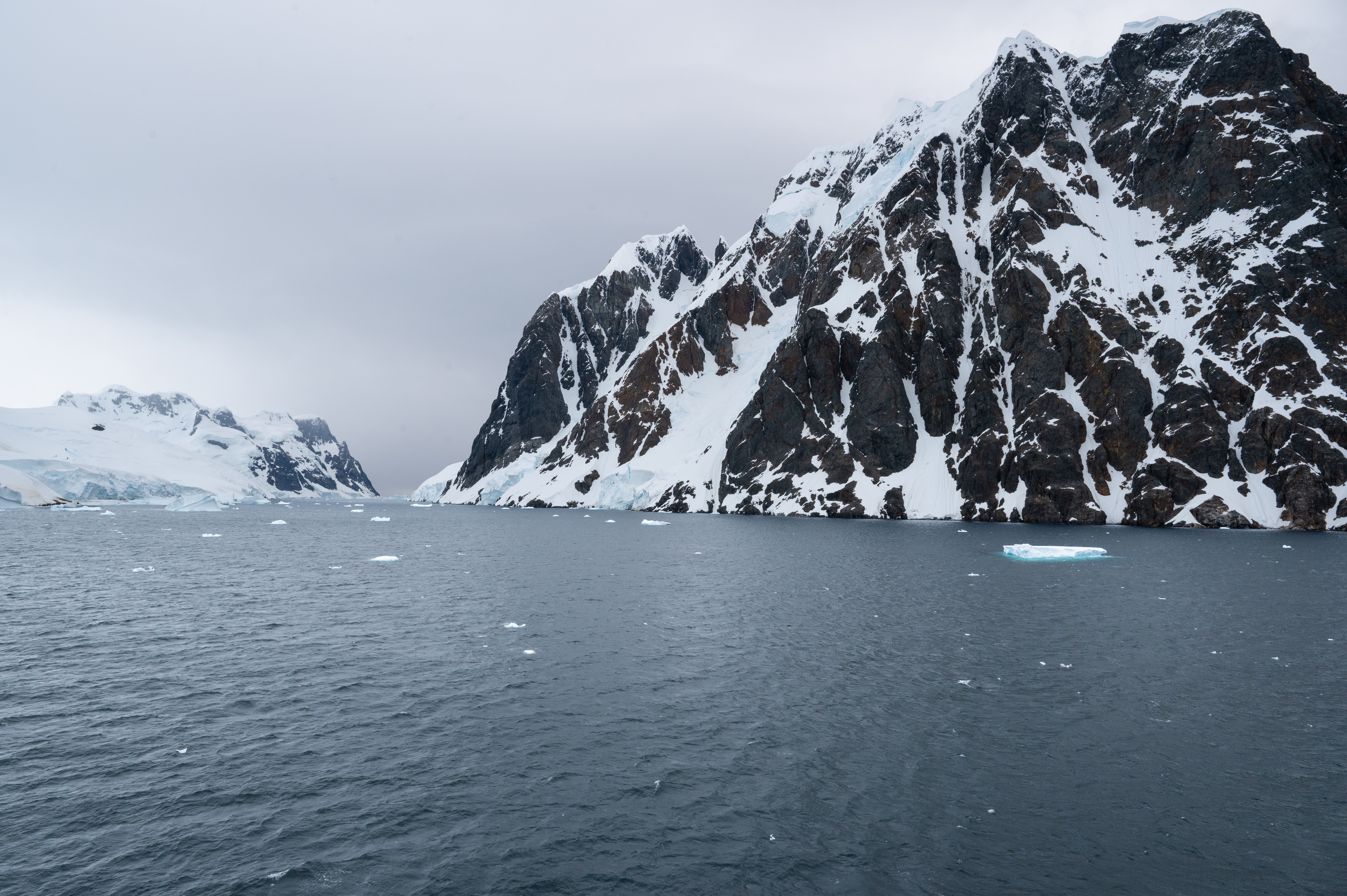
This event ended up being the favorite of most people I spoke to. And as I struggled with the reality that this was my last evening in Antarctica, I worked to push my sadness aside and open my eyes to what was in front of me at that moment. Time to soak it all in.
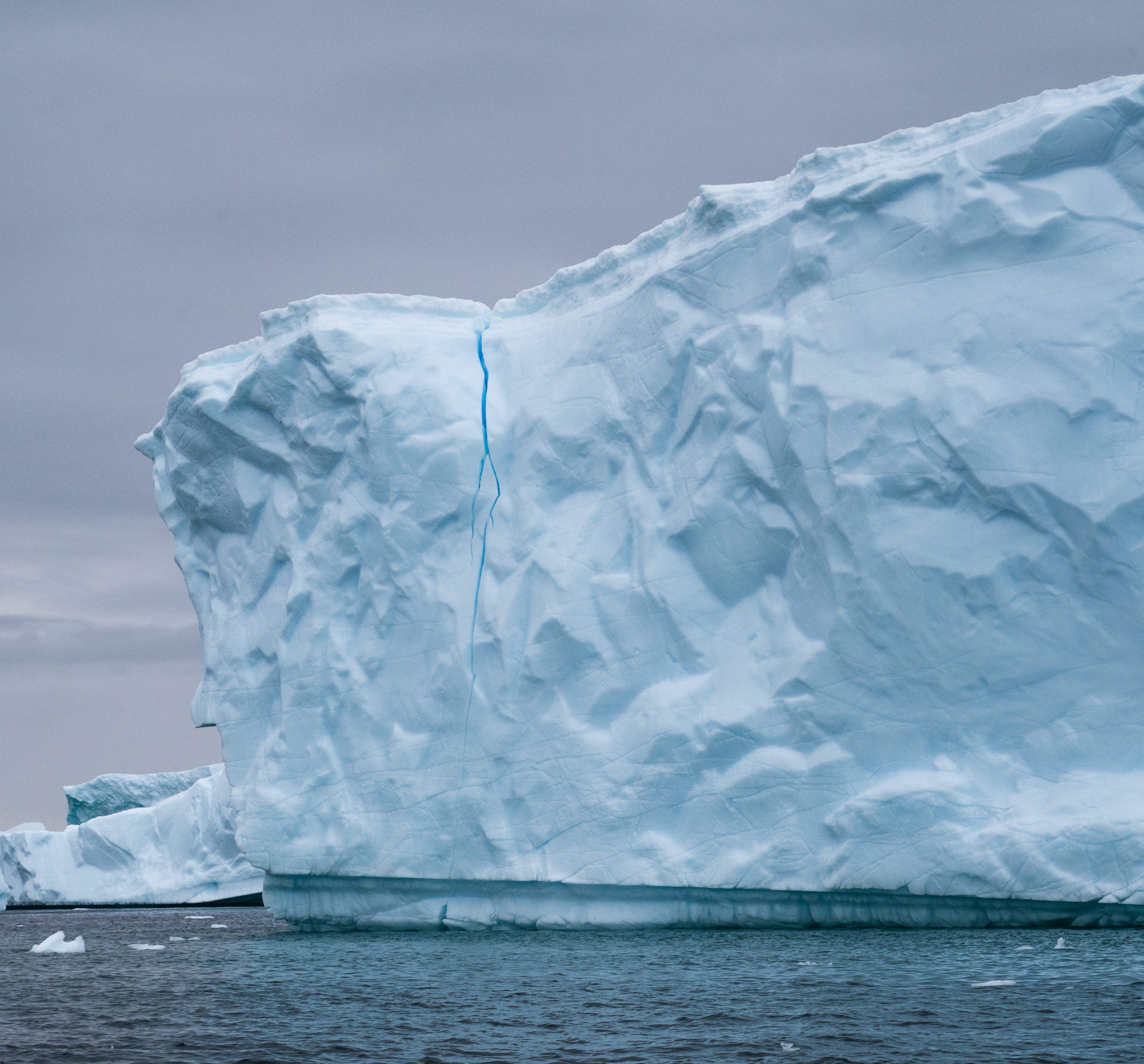
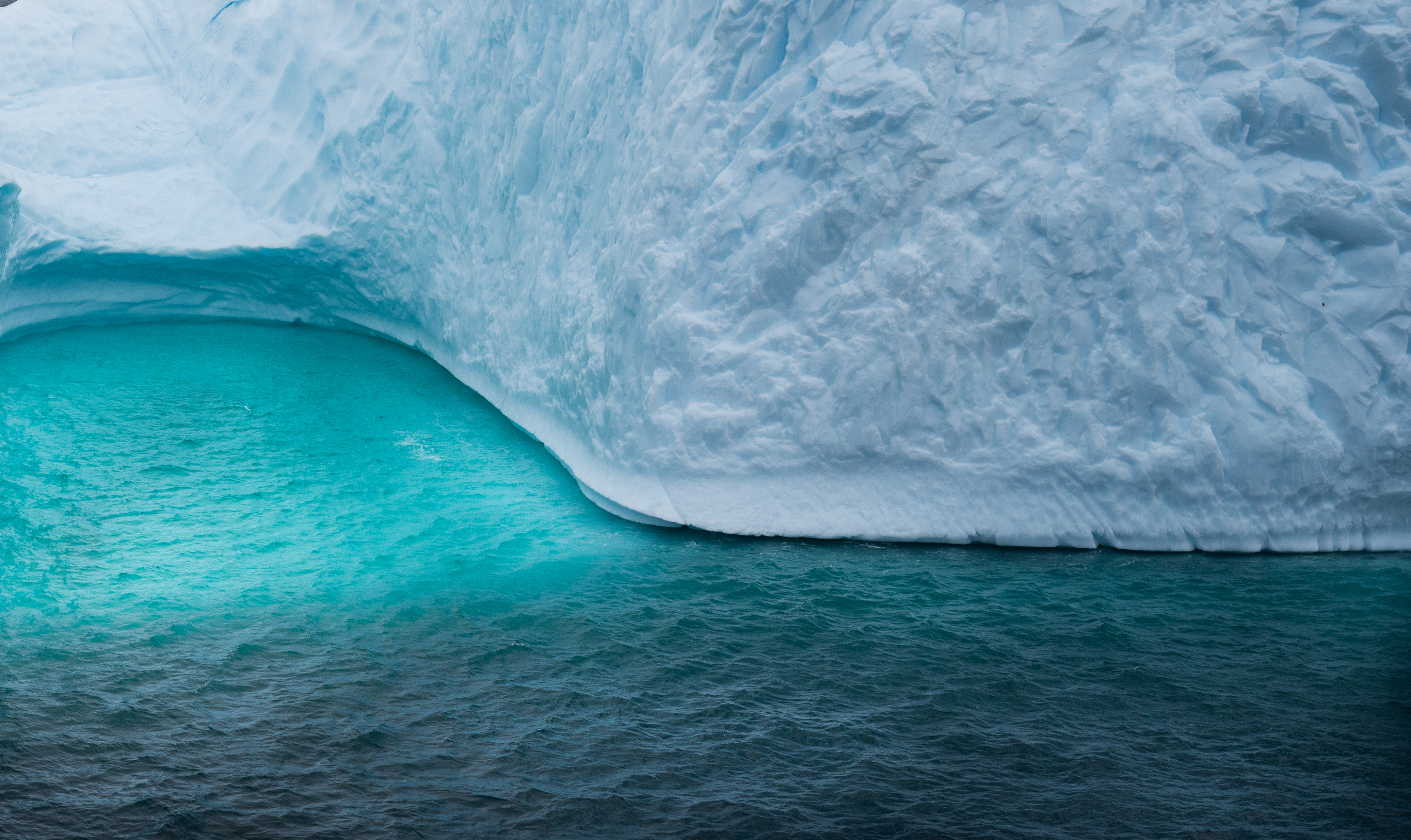
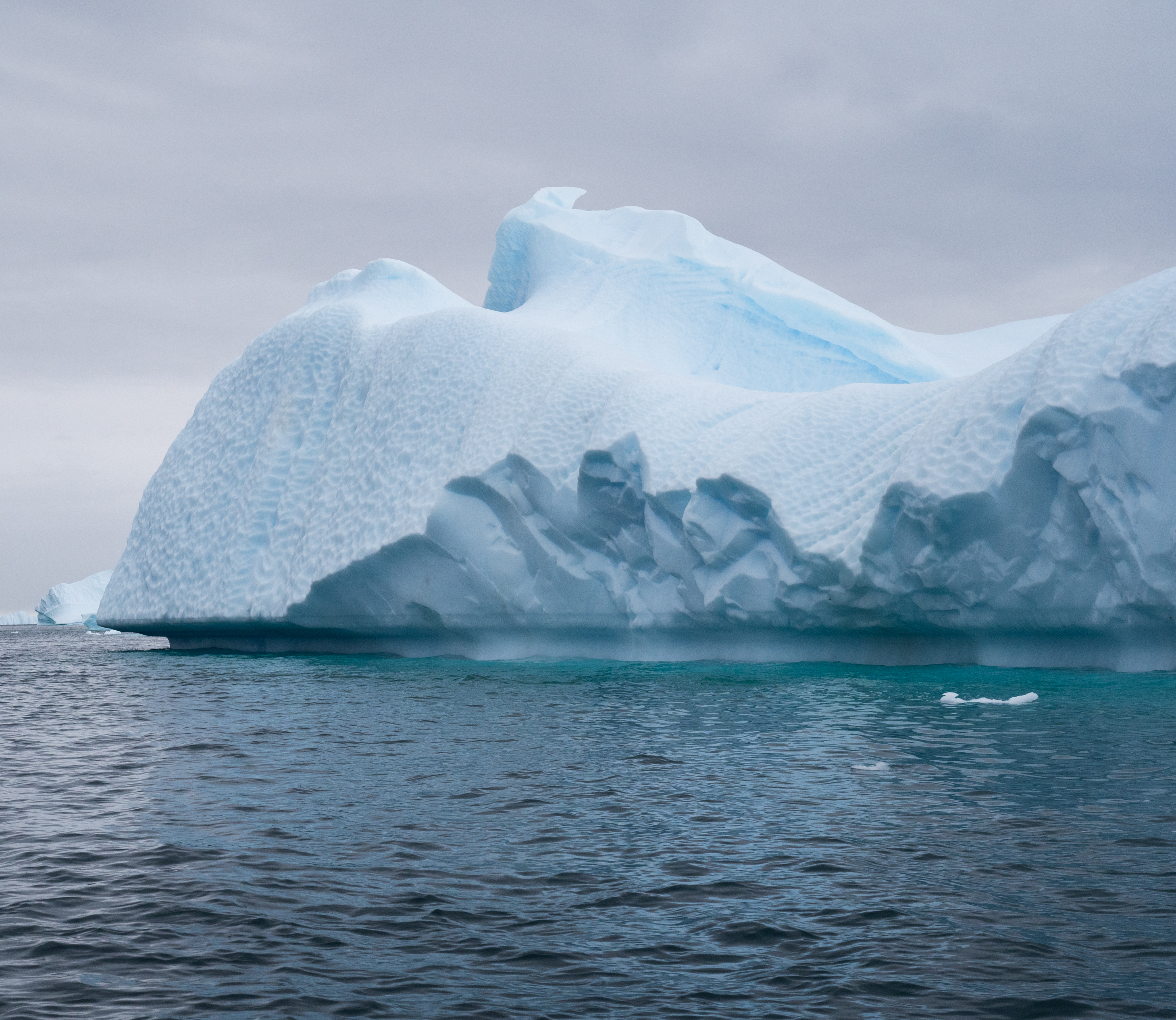
After our exploration, the Ocean Victory made its way back through the Lemaire Channel. I purposefully left my camera in my room. I did not want to spend my final evening behind a lens.
I cannot show you what I saw this evening but I can tell you.
I saw over 10 humpback whales sharing the narrow channel with us, feeding on the abundant krill. When everyone else was looking ahead, I kept my eyes fixed on a single whale behind and to the left of the boat. Out of nowhere, it opened its giant mouth and scooped hundreds of gallons of water mixed with krill into it. That was a first for me and a special treat, a private moment between just us two mammals.
I saw birds and penguins and seals and I watched the final extended dusk descend over the landscape as the sun got lower and lower in the sky. Hues of pink, orange, crimson, and deep blue filled the sky behind the boat, perfectly framed by the dark V-shaped channel. At the same time, the mountains in the distance were being lit up as if by giant spotlights as we loomed in shadow. It felt like a welcoming for what was to come. And we were heading right for it.
Lessons from: Antarctica Vol. 3
- Port Lockroy, home of the southernmost post office in the world, is generally a landing site where visitors can also buy trinkets. Due to concerns about the avian flu, this area was off-limits to us this year. Instead, the small staff boarded the Ocean Victory, offering a traveling shop.
- The Lemaire Channel is 11 km (6.8 mi) long and just 600 meters (2,000 ft) wide at its narrowest point. Earlier in the day, a ship was unable to get through because an iceberg was blocking the channel. Miraculously, when we arrived, it was all clear!
- Water currents carry and then trap icebergs in Pleneau Bay, thus the name, Iceberg Graveyard.
Something interesting: Krill- the lifeblood of Antarctica
Every single bird and mammal that lives or migrates to Antarctica directly or indirectly relies on one single food source: krill.
Krill are a shrimp-like crustacean that thrives in the cold waters of the Antarctic. Once hatched, they feed on the algae that grows on the underside of the sea ice. Seabirds, whales, seals, and penguins all rely on this unique species as their single food source during the summer months. The few species that do not directly consume krill indirectly do so by either hunting a species that feeds on krill or by consuming the byproduct of a species that does. Yes, there is a bird called a Snowy Sheathbill that feeds on penguin poo. Ick! And that poor bird did not even get good looks. But I digress. Even Leopard Seals, which hunt penguins and seal pups, get 60% of their diet from krill.
The stakes are very high for this magic species to thrive in Antarctica. Yet, krill fishing for human and pet consumption is still legal, though regulated by quotas. Unfortunately, illegal fishing operations still persist in the area as well.
A look behind the curtain.
I could not help but reflect upon the dichotomy between how I was experiencing this wild and profoundly inspiring land to what it must have been like for those who first set foot on this continent. Of course, they knew nothing of king beds, turn down services and desserts with every meal, nor could they have ever imagined anyone would be exploring this continent while enjoying such indulgences. But we do know what it was like for them.
Leaks, sinking ships, illness, death, frostbite, hunger, and desperation contrast with private-heated rooms, endless hot water, 20-spread breakfast buffets, minibars, hot tubs, massages, and my least favorite, wifi.
We welcomed the wild weather on the ship decks because there were countless ways to warm up. We turned down dessert at lunch (okay, I never actually did that) because we knew that there would be another at dinner. We hoped for a wild Drake Passage crossing because the risk of a catastrophic event was incredibly low. We were in awe of the wildlife, but did not have to rely on them to survive.
And the ironic part? Some aboard the ship shelled out good money to try to get a taste of what early explorers would have experienced- sleeping outside, in the elements, and in the snow, in Antarctica.
It seems there still remains in us a hunger for what was as opposed to what is, even if only a small taste will satisfy. After all, why else would I want, no need, to be outside during a Drake Passage storm? Because inside was boring. Because of that intimate and raw relationship with nature, the one where we exist at its pleasure, the one where the actual alignment between nature and humans is perfectly obvious, is where man is truly humbled. It is survival. I felt it. With a full belly, a rested head, and warm toes, I felt it.


 She Simply Wanders
Leave a comment